Evolution of Marketing with AI
AI is transforming marketing from traditional approaches to data-driven, personalized, and efficient campaigns.
In an age where technology evolves at an unprecedented pace, the integration of artificial intelligence into marketing strategies is not just advantageous; it's essential. As businesses strive to connect with audiences on a deeper level, understanding AI's transformative power can redefine success in the market.
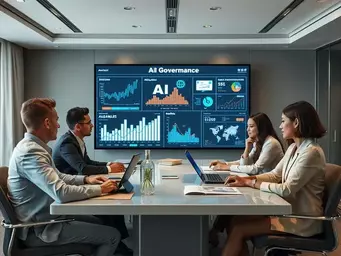
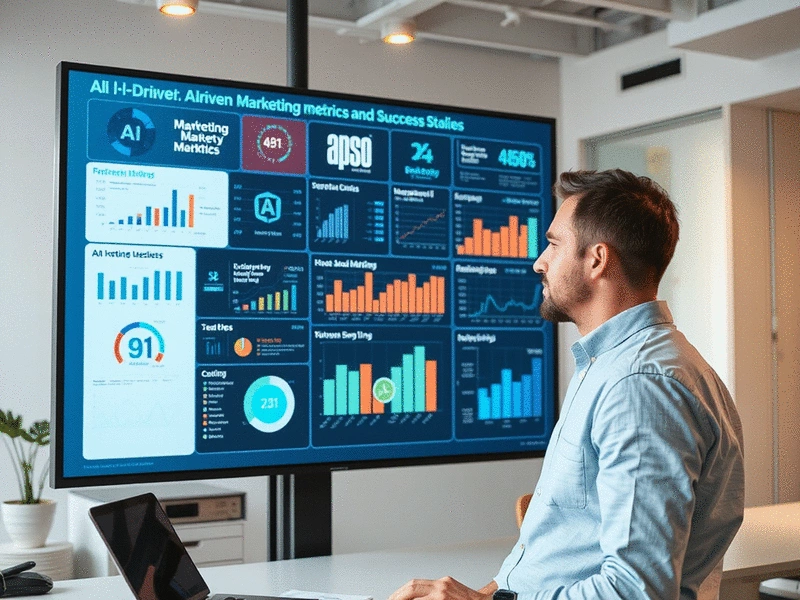
This visual highlights the core areas where Artificial Intelligence is transforming modern marketing strategies, focusing on efficiency, personalization, and customer engagement.
Artificial intelligence is reshaping the landscape of marketing in ways we once thought were only possible in science fiction. From automating tedious tasks to providing deep insights into consumer behavior, AI is proving to be a transformative tool for marketers everywhere. At Positive About AI, we believe that understanding this technology is crucial for businesses aiming to thrive in today's competitive market.
As we delve into the role of AI in marketing, we’ll explore its potential to enhance customer experiences and drive growth. The combination of data-driven strategies and intelligent technology creates a powerful synergy that not only improves efficiency but also opens up new avenues for creativity and engagement.
AI marketing integrates artificial intelligence technologies into marketing campaigns, allowing businesses to process vast amounts of data and make informed decisions quickly. By leveraging algorithms and machine learning, companies can analyze customer interactions, predict trends, and optimize their marketing strategies in real-time. This automated understanding enables a more precise approach to reaching target audiences.
This integration is revolutionizing how marketers think about strategy and execution, positioning AI as an essential component of modern marketing efforts. Research from the MIT Sloan Management Review indicates that AI investments in marketing are increasingly paying off, showcasing the tangible benefits businesses are realizing.
AI-driven campaigns are quickly becoming the benchmark for effective marketing strategies. Businesses that embrace these technologies are not just keeping pace but are often steps ahead of their competitors. The ability to tailor messages and offers to individual preferences dramatically enhances engagement and conversion rates.
As the marketing landscape continues to evolve, the reliance on AI is not just a trend but a necessary evolution. At Positive About AI, we see this as a thrilling opportunity for businesses to innovate their marketing approaches. The rapid adoption of generative AI by marketers further underscores its growing importance, as highlighted by the American Marketing Association.
In a world where consumers are bombarded with messages, personalization in marketing is more crucial than ever. AI enables businesses to create uniquely tailored experiences that resonate with individual customers. This level of personalization fosters deeper connections and increases brand loyalty.
As I reflect on the advancements in AI marketing, I am excited about the potential for businesses to harness this technology. By prioritizing personalization, brands can cultivate meaningful relationships with their customers, ensuring long-term success.
As we explore the transformative role of AI in marketing, we want to know your perspective! How do you feel about the integration of AI into marketing strategies? Choose one option below:
As we explore the impact of AI on marketing, it's essential to recognize the delicate balance between technology and human insight. AI tools enhance our capabilities, but they work best when complemented by human creativity and intuition. This synergy allows brands to develop more effective campaigns that resonate with their audiences.
Moreover, AI technologies are not just about efficiency; they're also about enhancing the customer experience. By automating routine tasks and providing deep insights, businesses can focus on what truly matters: building relationships and understanding their customers better. The overall state of AI, as reported by McKinsey, shows continued growth and impact across various industries, including marketing.
Incorporating AI into marketing strategies involves a thoughtful approach. While these technologies provide valuable data, it's crucial for marketers to interpret and use this data wisely. Here are some key ways to ensure a harmonious blend of technology and human insight:
By emphasizing this balance, we can ensure that AI becomes a tool for empowerment rather than a replacement for the human touch. After all, it’s the stories we tell that truly engage our audiences!
As the digital landscape evolves, integrating AI tools like chatbots and optimizing for voice search has become vital for modern marketing strategies. These technologies not only streamline communication but also enhance the user experience. Here’s how you can effectively incorporate them:
By effectively integrating these tools, businesses can create a seamless and engaging customer journey, ultimately leading to higher satisfaction and loyalty.
If you're ready to take the plunge into the world of AI marketing, you're in for an exciting journey. Leveraging AI can seem daunting at first, but the benefits far outweigh the initial challenges. Here’s how you can get started:
By taking these steps, you’ll be well on your way to harnessing the full potential of AI in your marketing efforts!
To further equip yourself and your team with the knowledge needed to implement AI successfully, consider exploring these valuable resources:
By investing in learning, you'll not only enhance your marketing strategy but also foster a culture of innovation within your organization. Let’s embrace the future of AI in marketing together!
A: AI marketing involves integrating artificial intelligence technologies into marketing campaigns to process vast amounts of data, analyze customer interactions, predict trends, and optimize strategies in real-time. It enables a more precise and personalized approach to reaching target audiences.
A: AI-driven campaigns offer enhanced targeting, efficient resource allocation, and improved customer insights. They allow businesses to tailor messages and offers to individual preferences, significantly boosting engagement and conversion rates, thus setting a new standard for effective marketing.
A: AI enables personalization through customized recommendations based on past interactions, dynamic content delivery that adapts to user behavior, and personalized messages that lead to higher engagement rates. This fosters deeper connections and increases brand loyalty.
A: Businesses can achieve this balance by fostering collaboration between creative teams and data analysts, using AI-driven insights to inform emotional storytelling, embracing flexibility to adapt to market trends, and enhancing personalization to make each customer interaction unique. This ensures AI empowers human creativity rather than replaces it.
A: Key steps include assessing your specific marketing needs, choosing the right AI tools (e.g., CRM, chatbots, analytics platforms), training your team to effectively use these tools, and starting with pilot projects to test and optimize processes based on performance metrics and feedback.
Here is a quick recap of the important points discussed in the article:
Elena R. Caldwell is a passionate advocate for the ethical advancement of artificial intelligence. With a background in technology journalism and an extensive understanding of emerging AI trends, she is dedicated to showcasing the positive impact of AI across industries. Through her work at Positive About AI, Elena aims to foster a deeper understanding of intelligent technologies, ensuring they are perceived as transparent and empowering tools for the future.