Efficiency Gains: Production Efficiency
Industry leaders have reported up to a:
20% Increase
in production efficiency by streamlining supply chains and scheduling.
As we stand on the brink of a new industrial era, AI is not just a tool but a catalyst for transformation. The manufacturing landscape is evolving rapidly, driven by innovations that promise not only efficiency but also a sustainable future. Curious about how you can harness the power of AI in manufacturing? Let's dive into the key insights from this exploration.
This visual highlights significant efficiency gains and sustainability achievements in manufacturing, driven by AI implementations across various industry leaders.
Industry leaders have reported up to a:
in production efficiency by streamlining supply chains and scheduling.
A case study showed a company achieved:
in energy consumption through smart monitoring and optimization.
At Positive About AI, we believe that innovation is at the heart of the manufacturing industry, and artificial intelligence is a game-changer in this space. AI technologies are not just buzzwords; they are essential tools that drive efficiency, enhance productivity, and lead to smarter processes. In this section, we'll explore how AI is reshaping the manufacturing landscape and what it means for business leaders and curious readers alike. The National Artificial Intelligence Research and Development Strategic Plan provides valuable insights into the broader governmental strategy to advance AI innovation.
As we dive into the role of AI, it's crucial to consider its potential in transforming manufacturing into a more agile and effective sector. By harnessing AI, companies can streamline operations, reduce costs, and improve the quality of their products, ultimately boosting their competitive edge in the market. But what exactly is the true impact of AI on manufacturing efficiency?
AI plays a pivotal role in enhancing manufacturing processes, and understanding this role is essential for anyone involved in the industry. Here are some key ways AI contributes:
These capabilities not only improve efficiency but also foster innovation within the company. As we examine the importance of case studies in evaluating these technologies, we can see how real-world examples bring clarity to AI's advantages in manufacturing.
Case studies serve as valuable learning tools for manufacturers considering AI adoption. They provide concrete evidence of how AI technologies can be implemented effectively. Here are a few reasons why case studies matter:
By leveraging these insights, manufacturing leaders can make informed decisions about investing in AI technologies, ensuring that they adopt solutions tailored to their specific needs.
As we look towards the future, Industry 4.0 stands at the forefront of smart manufacturing. This revolution combines AI, the Internet of Things (IoT), and automation to create interconnected systems that respond dynamically to changing conditions. Understanding the core components of Industry 4.0 is essential for businesses seeking to thrive in this new era. The America's AI Action Plan further emphasizes the strategic importance of AI in driving industrial advancement.
Industry 4.0 is characterized by several key components that drive innovation and efficiency:
These components are not just technological advancements; they represent a shift in how companies operate, fostering a more responsive and adaptable manufacturing environment.
Incorporating IoT and automation is vital for manufacturers aiming to stay competitive. Here are a few ways they enhance processes:
Integrating these technologies not only optimizes operations but also lays the groundwork for future innovations in manufacturing. The National Institute of Standards and Technology (NIST) provides foundational research and guidance, as detailed in documents like NIST AMS 600-14, which supports the advancement of smart manufacturing capabilities.
What do you think about the integration of AI in manufacturing? Share your thoughts below:
AI has transformed the manufacturing landscape, with real-world applications showcasing its ability to enhance productivity, reduce downtime, and ensure quality. From predictive maintenance to energy efficiency, these innovations are changing the way companies operate. In this section, we’ll explore several key case studies that illustrate the profound impact of AI on manufacturing.
Predictive maintenance is one of the standout applications of AI, enabling companies to foresee equipment failures before they occur. By leveraging advanced analytics, manufacturers can save costs and prevent unexpected downtime. Let’s delve into some notable examples of companies leading the charge in this space.
Siemens has implemented AI algorithms that analyze machine data in real-time, effectively predicting when maintenance is needed. This proactive approach has led to significant reductions in downtime, allowing for smoother operations and increased productivity.
With AI, Siemens has not only optimized their maintenance schedules but has also improved overall equipment effectiveness, demonstrating a clear path towards smarter manufacturing.
ABB has taken a similar approach, utilizing AI-driven predictive maintenance tools that monitor equipment health. Their system analyzes vast amounts of sensor data to identify patterns that indicate potential failures, enabling timely interventions.
As a result, ABB has seen notable improvements in equipment reliability and a reduction in operational costs, further proving that AI can drive efficiency and trust within manufacturing systems.
Quality control is another area where AI shines, ensuring that products meet the highest standards before reaching customers. Companies are increasingly adopting AI technologies to enhance defect detection and streamline quality assurance processes.
Toyota has harnessed AI to improve its quality control processes. By implementing machine learning algorithms, the company can now detect defects at an early stage, significantly reducing the likelihood of faulty products reaching the market.
This not only enhances customer satisfaction but also minimizes waste, showcasing the positive environmental impact of AI-driven quality assurance.
Another case study highlights how AI systems have improved the accuracy of production line monitoring. With real-time image processing and analysis, manufacturers can swiftly identify and rectify issues before they escalate.
This technology has led to higher quality outputs and faster turnaround times, proving that AI's role in quality control is instrumental in fostering a culture of excellence in manufacturing.
AI technologies are proving essential for optimizing manufacturing processes and scheduling. By leveraging AI tools, companies can streamline their workflows and increase operational efficiency.
Industry leaders have reported significant efficiency gains through AI implementations. For instance, some manufacturers have achieved up to a 20% increase in production efficiency by utilizing AI to streamline their supply chains and scheduling processes.
This not only enhances productivity but also helps in responding quickly to market demands, making the manufacturing process more agile and responsive.
AI-driven tools are also being integrated into manufacturing workflows to reduce bottlenecks and improve coordination. These tools assist in optimizing inventory management, production schedules, and logistics, thereby enhancing overall operational productivity.
By adopting such technologies, manufacturers can ensure a smoother production flow and maintain higher standards of efficiency.
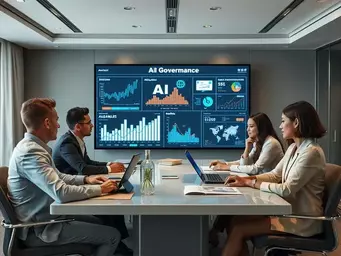
Data analytics plays a crucial role in production planning and process optimization. AI systems can analyze historical data to forecast demand and optimize production schedules accordingly. This leads to fewer delays and better resource allocation, empowering companies to maintain high levels of efficiency.
With AI backing their decision-making processes, manufacturers are better equipped to navigate complexities and enhance their operational strategies.
As businesses strive for sustainability, AI technologies are stepping up to help manufacturers reduce their energy consumption and carbon footprint. It’s crucial for companies to adopt innovative solutions that align with their sustainability goals.
A prominent case study illustrates how an AI system enabled a manufacturing company to reduce its energy consumption by 15% through smart monitoring and optimization. By analyzing energy use patterns, the system identified inefficiencies and recommended actionable changes.
This not only decreased costs but also contributed to the company's sustainability initiatives, showcasing the dual benefits of AI in energy management.
AI also plays a vital role in emissions management, helping manufacturers monitor and reduce their environmental impact. By integrating AI with IoT devices, companies can track emissions in real-time and make necessary adjustments to their processes.
This proactive approach supports compliance with environmental regulations and promotes corporate responsibility, essential in today's eco-conscious market.
The integration of robotics and automation is reshaping the manufacturing industry, paving the way for more advanced production capabilities. These technologies are enhancing efficiency and redefining workforce dynamics.
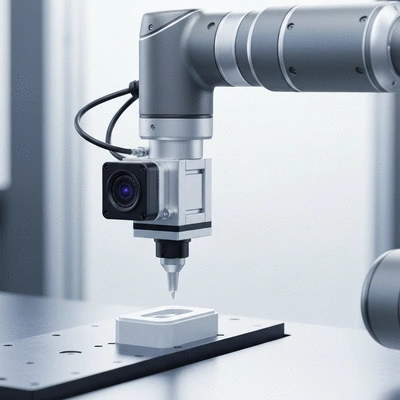
Advanced robotics are becoming indispensable in manufacturing processes. With AI-driven robots capable of performing complex tasks, companies are witnessing significant improvements in production efficiency and accuracy.
This allows human workers to focus on higher-level responsibilities, driving innovation and creativity in the workplace.
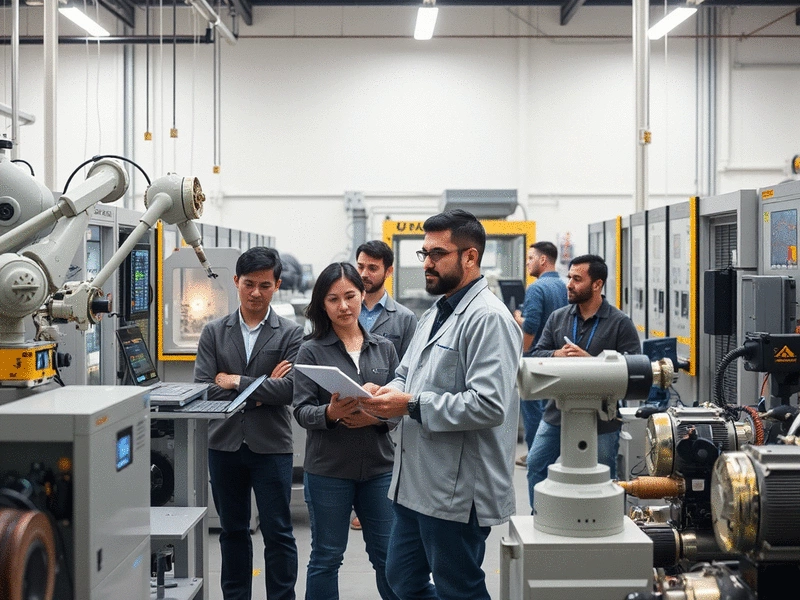
Human-robot collaboration represents the future of workforce dynamics. Rather than replacing human workers, robots are enhancing their capabilities, creating a synergistic relationship that boosts overall productivity.
This harmonious integration ensures that companies can leverage the strengths of both humans and machines, leading to a more effective and engaged workforce.
AI enhances manufacturing efficiency through predictive analytics, which forecasts equipment failures; process automation, which reduces manual intervention and speeds up production; and quality control, which ensures high-quality products through real-time defect detection.
Industry 4.0 is a revolution in manufacturing that integrates AI, the Internet of Things (IoT), and automation to create interconnected smart factories. AI plays a crucial role by enabling data analytics, powering autonomous robotics, and facilitating human-robot collaboration for optimized production and responsiveness.
Yes, AI-driven predictive maintenance significantly reduces downtime and operational costs. Companies like Siemens and ABB have demonstrated this by using AI algorithms to analyze machine data, predict potential failures, and schedule maintenance proactively, thus preventing costly interruptions.
AI improves quality control by enabling early defect detection and streamlining quality assurance processes. For example, Toyota uses AI and machine learning algorithms to identify defects at an early stage, minimizing waste and enhancing customer satisfaction by ensuring only high-quality products reach the market.
Robotics and automation, enhanced by AI, significantly boost production capabilities. AI-driven robots perform complex tasks with precision, while human-robot collaboration creates a synergistic environment where humans can focus on innovation and higher-level tasks, leading to increased productivity and a more engaged workforce.
AI contributes to sustainability by helping manufacturers reduce energy consumption and manage emissions. Through smart monitoring and optimization, AI systems can identify inefficiencies and recommend changes, leading to significant energy reductions and supporting compliance with environmental regulations.
Here is a quick recap of the important points discussed in the article:
Elena R. Caldwell is a passionate advocate for the ethical advancement of artificial intelligence. With a background in technology journalism and an extensive understanding of emerging AI trends, she is dedicated to showcasing the positive impact of AI across industries. Through her work at Positive About AI, Elena aims to foster a deeper understanding of intelligent technologies, ensuring they are perceived as transparent and empowering tools for the future.